


Current Conditions And Forecasts
Tampa Bay

Southwest Florida

Orlando

Miami

Jacksonville

Tallahassee

North Florida

Pensacola

Today

Tomorrow

Winds

Heat Index

-
 Sgt. Marc Morgenstern, U.S. Army/Defense Visual Information Distribution ServiceHillsborough County residents whose homes were damaged by Hurricanes Helene or Milton can get help applying for recovery assistance at two pop-up service centers this month.
-
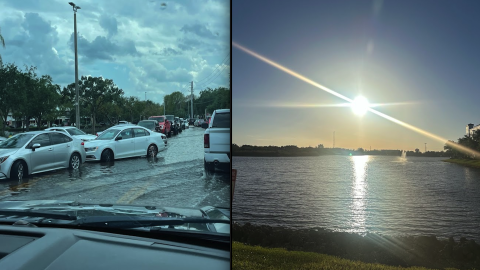 A weak cold front will lower rain chances and also bring slightly lower humidity values for much of Florida for part of this week.


-
 Hurricane Isaias is linked to at least four deaths, after the storm made landfall on the Florida coast and ran through Alabama. More than 390,000 people were without power as of Sunday morning.
-
 Isaias made landfall near Destin as the first hurricane of the Atlantic season.
-
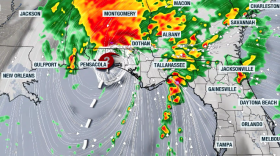 Damaging winds, tornadoes, and flash flood risk will continue throughout the weekend across the Southeast into the Mid-Atlantic.
-
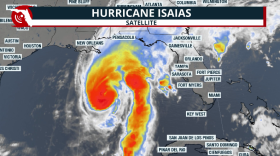 Numerous damaging tornadoes are possible even after the hurricane moves inland and weakens; heavy rains will continue throughout Saturday morning across the Florida Panhandle.
-
 Preparations for Hurricane Isaias are underway at the state and local level, and residents are heeding advise to get ready.
-
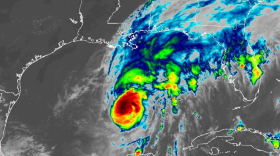 Landfalling tropical systems have a history of producing tornadoes, but the atmospheric ingredients around Hurricane Isaias appear conducive for supercells and tornadoes across northern Florida.
-
 Hurricane Isaias landed Friday night on the Florida Gulf Coast. The storm was expected to bring life-threatening storm surge, damaging winds, flooding and the possibility of tornados.
-
 During a press conference Thursday, Governor Ron DeSantis said evacuations have already begun in low-lying areas close to the coast.
-
 Isaias strengthened into a Category 3 hurricane on Friday and is expected to make landfall near Pensacola by Saturday morning.
-
 Tropical Storm Isaias is now the first Atlantic hurricane of 2026 — and it's spinning toward the southeastern U.S.
-
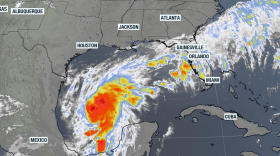 Tropical Storm Isaias is expected strengthen into a Category 2 hurricane on Friday. The cyclone is headed towards the northern Gulf but moisture will impact much of Florida.
-
 Even with this latest activity in the Gulf, it's been a quiet Atlantic hurricane season so far, which is typical for the El Niño climate pattern we're in right now.


